
Super El Niño and Philippine Agriculture: What Small Farmers, Retailers, and Businesses Must Do to Survive—and Thrive
7 min read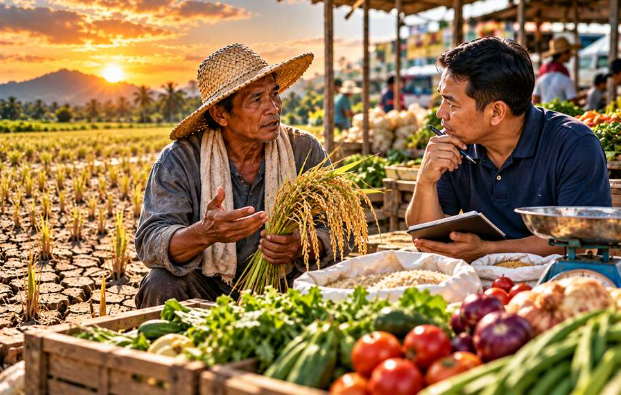
By Homer Nievera | Agriculture, Business, and Climate Resilience
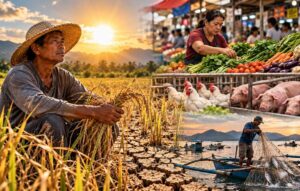
Super El Niño poses a serious challenge to Philippine agriculture, food security, and small businesses. Prolonged heat, below-normal rainfall, and possible drought conditions can threaten crop production, raise operating costs, disrupt supply chains, and push food prices higher.
For small farmers, the consequences may mean lower harvests and reduced income. For market vendors, grocery stores, restaurants, and other retailers, it can mean more expensive supplies, greater spoilage risks, and customers who have less money to spend.
Yet while the risks are significant, preparation can help communities limit the damage. With practical water-management measures, smarter sourcing, better financial planning, and climate-resilient business strategies, farmers and entrepreneurs can protect their livelihoods—and identify opportunities that emerge during periods of disruption.
How Super El Niño Can Affect Philippine Agriculture
El Niño is a climate phenomenon associated with unusually warm sea-surface temperatures in the central and eastern tropical Pacific. It can influence rainfall patterns in the Philippines, often increasing the likelihood of below-normal rainfall and dry conditions in affected areas.
The severity and timing of its effects vary by region. Farmers and businesses should monitor official forecasts from the Philippine Atmospheric, Geophysical and Astronomical Services Administration (PAGASA) rather than assume that all provinces will experience the same conditions.
Several agricultural sectors face particular risks.
Rice and corn production. Insufficient rainfall and limited irrigation can delay planting, reduce yields, or cause crop failure. Farmers who depend on rain-fed fields may be especially vulnerable.
Vegetables and fruit crops. Heat and water shortages can reduce production and affect crop quality. Lower harvest volumes can also increase prices in public markets and supermarkets.
Livestock and poultry. High temperatures can cause heat stress in animals, affecting their health, growth, and productivity. Water availability, ventilation, and feed costs may become greater concerns for farm operators.
Fisheries and aquaculture. Warmer water and changes in water levels can affect fish health, oxygen levels, and production in ponds and other aquaculture facilities. The impact depends on local conditions and the species being raised.
These disruptions can extend beyond farms. When agricultural output declines, food processors, transport operators, restaurants, retailers, and consumers may all feel the effects.
Why Small Farmers Are Most Vulnerable
Smallholder farmers often have limited savings, less access to irrigation, and fewer resources to recover from a poor harvest. Many also depend on a single crop or planting season for much of their annual income.
A prolonged dry spell can therefore create several problems at once: reduced harvests, continued loan repayments, higher irrigation expenses, and less money available for the next planting cycle.
The most effective response is to prepare before water shortages become severe.
Practical Steps Small Farmers Can Take
1. Conserve and manage water.
Farmers should inspect irrigation systems for leaks, schedule watering during cooler hours when practical, and consider methods such as drip irrigation for suitable crops. Rainwater collection and small-scale water storage may also help where feasible and permitted.
2. Choose crops suited to local conditions.
Depending on soil, market demand, and agricultural advice, farmers can consider drought-tolerant varieties, shorter-duration crops, or alternative crops that require less water. Planting decisions should be guided by local conditions rather than switching crops solely because of general El Niño warnings.
3. Diversify production and income.
Depending on available land and resources, farmers may diversify crops, stagger planting schedules, or explore supplementary income activities. Diversification can reduce dependence on a single harvest, although it should be planned carefully to avoid increasing costs and risks.
4. Strengthen financial protection.
Farmers should track expenses, review outstanding loans, maintain an emergency reserve when possible, and explore agricultural insurance through the Philippine Crop Insurance Corporation (PCIC). Eligibility, coverage, and claim requirements should be checked before relying on insurance as protection.
5. Work with cooperatives and local agricultural offices.
Farmer organizations can help members share equipment, coordinate water access, purchase supplies collectively, and negotiate better prices. Municipal agriculture offices can provide locally appropriate guidance on planting schedules, crop selection, and available assistance.
What Retailers and Food Businesses Should Do
Retailers cannot control rainfall, but they can improve their ability to respond to supply disruptions and rising procurement costs.
For small groceries, market vendors, restaurants, and food-service operators, preparation should begin with purchasing, inventory, and cash-flow management.
Secure alternative suppliers. Avoid depending entirely on one farm, wholesaler, or delivery route. Establish relationships with suppliers from different production areas to reduce exposure to localized crop losses.
Reduce food waste. Review ordering schedules, improve stock rotation, and store perishable products correctly. Smaller, more frequent orders may be preferable when demand is uncertain or supplies are volatile.
Offer affordable alternatives. When certain vegetables or food products become more expensive, consider seasonal substitutes and alternative menu combinations. Communicate price changes honestly while preserving product quality.
Review operating costs. Monitor refrigeration, water consumption, transportation, and delivery expenses. Energy-efficient equipment and preventive maintenance may help control costs, particularly during periods of high temperatures.
Protect cash flow. Avoid excessive inventory purchases based on speculation. Forecast demand, negotiate reasonable payment terms, and maintain sufficient working capital for essential operating expenses.
The goal is to remain flexible without passing every increase in cost directly to customers.
Business Opportunities During El Niño
Climate-related disruptions can create demand for products and services that help farms and communities adapt. Entrepreneurs who understand local needs may find opportunities in practical solutions rather than short-term speculation.
Potential areas include:
- Water-saving technologies: Drip irrigation, pumps, storage tanks, rainwater collection systems, and water-management services.
- Agricultural supplies: Suitable drought-tolerant seeds, mulch, soil-improvement products, and equipment for efficient irrigation.
- Solar-powered farm systems: Solar pumps and other energy solutions where installation costs, maintenance, water availability, and site conditions make them viable.
- Food storage and processing: Cold storage, drying, food preservation, and small-scale processing that help reduce post-harvest losses.
- Farm-to-market distribution: Logistics, aggregation, and delivery services connecting farmers with retailers, restaurants, and institutional buyers.
- Agricultural advisory and digital services: Localized weather information, farm planning, inventory management, and market-price monitoring.
These opportunities should be evaluated on actual demand, affordability, operating costs, and long-term usefulness. A product that solves a genuine problem for farmers or retailers is more likely to create sustainable value than one marketed solely around fear of El Niño.
What Government and Local Communities Must Prioritize
Individual preparation is important, but small farmers cannot manage a widespread drought alone.
Government agencies and local authorities should prioritize reliable irrigation, water-resource management, timely weather advisories, access to appropriate seeds, agricultural insurance, and financial assistance for qualified affected farmers.
Local governments can also help coordinate water allocation, support farmer cooperatives, improve post-harvest facilities, and connect producers with buyers. Clear communication is essential so communities can prepare before conditions become critical.
The Department of Agriculture, PAGASA, PCIC, and local agriculture offices are important sources of guidance. Assistance programs and eligibility requirements should be verified through official channels.
A Practical 90-Day Preparedness Plan
Farmers and business owners do not need to implement every measure at once. A staged approach can make preparation more manageable.
First 30 days: Assess and prepare. Check local climate advisories, identify the most vulnerable crops or products, inspect water and energy systems, review cash flow, and list alternative suppliers.
Days 31–60: Implement priority measures. Repair leaks, adjust purchasing or planting plans where appropriate, improve storage practices, coordinate with cooperatives, and explore insurance or assistance programs.
Days 61–90: Monitor and adjust. Review rainfall, water availability, supply prices, sales, and operating costs. Update plans as local conditions change, and avoid major investments without a clear assessment of demand and affordability.
This is a flexible planning guide, not a prediction of when El Niño impacts will begin or end. Actions should be adjusted to official forecasts and local circumstances.
Conclusion: Prepare Early, Adapt Wisely
Super El Niño can place considerable pressure on Philippine agriculture, food prices, and small businesses. Its effects can reach from a farmer’s field to a neighborhood market, affecting livelihoods and household budgets along the way.
But the outcome is not determined by weather alone. Access to information, careful resource management, diversified income, sound financial decisions, and cooperation among farmers, retailers, communities, and government can help reduce vulnerability.
For entrepreneurs, the challenge is to balance resilience with responsibility. For farmers, it is to protect the next harvest without taking on unsustainable costs. For retailers, it is to keep food available and affordable while managing tighter margins.
The best time to prepare for a drought is before the water runs short. Early action can help protect livelihoods, strengthen local food systems, and turn practical climate adaptation into a foundation for more resilient businesses.
Sources and Further Reading
- PAGASA — Official weather forecasts, climate advisories, and El Niño updates: https://www.pagasa.dost.gov.ph/
- Department of Agriculture — Preparedness measures for possible El Niño conditions: https://www.da.gov.ph/da-strengthens-preparedness-for-possible-el-nino-to-support-farms/
- Food and Agriculture Organization of the United Nations (FAO) — Anticipatory action supporting farming communities in the Philippines: https://www.fao.org/newsroom/story/Anticipating-crises-to-support-farming-communities-in-the-Philippines/en
- Philippine Crop Insurance Corporation (PCIC) — Agricultural insurance information: https://pcic.gov.ph/
- Philippine News Agency (PNA) — Report on agricultural damage attributed to El Niño, citing NDRRMC figures: https://www.pna.gov.ph/article/agri-damage-in-10-regions-due-to-el-nino-now-at-p65-b-ndrrmc
Editorial note: Check the latest PAGASA advisories and official damage assessments before publication, as forecasts, reported losses, and local conditions can change.